
The historical evolution of gambling from ancient rituals to modern practices
Origins of Gambling in Ancient Civilizations
The history of gambling can be traced back to ancient civilizations, where it was often intertwined with rituals and beliefs. In cultures such as Mesopotamia and ancient China, games of chance were not merely entertainment; they held deeper meanings tied to spirituality and fate. For example, the Chinese used dice made from bones as early as 2300 BC, not just for gaming but also for divination purposes, indicating a belief that chance and the divine were interconnected. Many modern players might explore various gaming options online, like those at https://empower-energy.co.uk/.
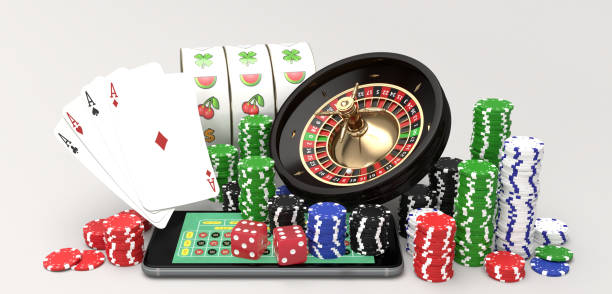
In ancient Greece, gambling took on a more structured form. Citizens engaged in betting on various athletic competitions, particularly the Olympic Games. These bets were often informal, with individuals wagering on the outcomes of races and events. The Greeks also played games like knucklebones, a precursor to modern-day betting games, highlighting the societal acceptance and enjoyment of chance-based activities.
Meanwhile, in Rome, the government even taxed gambling activities to regulate the growing interest among the populace. This indicates not only the popularity of games of chance but also the recognition of gambling as a significant social phenomenon. With such established roots in various cultures, it’s clear that gambling was not merely a pastime but a vital part of social fabric across ancient societies.
The Transition Through the Middle Ages
The Middle Ages saw a shift in gambling practices as societal structures changed. During this period, games of chance became associated with the nobility and were often played within courts. The use of playing cards, which originated in China, spread across Europe, leading to the establishment of many card games we recognize today. Such games were often seen as a noble pastime, fostering social interaction among the elite while simultaneously appealing to the common folk.
However, the perception of gambling began to shift as the church’s influence grew. Many religious leaders condemned gambling as sinful, associating it with greed and moral decay. This led to periods of strict regulations and bans, particularly in countries like England. Yet, despite these restrictions, underground gambling flourished, illustrating the enduring human attraction to risk and reward even in the face of societal opposition.
By the end of the Middle Ages, some forms of gambling began to gain acceptance again, particularly as state-sponsored lotteries emerged in the 16th century. These lotteries were often used to fund public projects and could be seen as the foundation for modern gambling as it began to be integrated into the social and economic fabric of society. This evolution of gambling during the Middle Ages laid the groundwork for the complex systems we see today.
The Birth of Modern Gambling in the 18th and 19th Centuries
The 18th century marked a significant turning point in the evolution of gambling, with the establishment of the first formal casinos in Europe. The Casino di Venezia in Italy, for instance, opened its doors in 1638, setting a precedent for lavish gambling establishments that catered to the wealthy elite. These casinos offered various games, including roulette and card games, creating an environment where gambling became a social event rather than merely an activity for profit.
As the 19th century approached, the Industrial Revolution catalyzed changes in the gambling landscape. Urbanization and increased leisure time allowed a broader audience to engage in gambling. Horse racing, in particular, became immensely popular, leading to the establishment of betting tracks and the creation of formal betting systems. This era also saw the rise of lotteries and the first gambling laws, which sought to regulate the rapidly growing industry.
The increasing popularity of gambling during this time sparked both admiration and criticism. While it was seen as an exciting social activity, many also viewed it as a dangerous obsession. The balance between regulation and freedom became a contentious issue as authorities struggled to maintain control over this burgeoning industry. This duality shaped the future of gambling, paving the way for modern legislation and societal perceptions surrounding risk and reward.
The Digital Revolution and Modern Gambling Practices
The advent of the internet in the late 20th century revolutionized gambling, introducing online casinos and digital betting. This transformation made gambling more accessible, allowing players from around the world to engage in their favorite games from the comfort of their homes. Online platforms offered a vast array of options, from slot machines to live dealer games, attracting both seasoned gamblers and newcomers alike.
Regulation became a significant focus as governments began to recognize the economic potential of online gambling. Many countries established laws governing online betting to protect consumers and ensure fair play. This move towards regulation led to a more secure environment for players, as they could engage in gambling with greater confidence. Additionally, the use of technology enhanced the gaming experience, with features like virtual reality and live streaming bringing the casino experience directly to players’ screens.
Today, the gambling industry continues to evolve, embracing innovations such as cryptocurrency and mobile gaming. These advancements cater to a tech-savvy audience, reflecting changing consumer preferences. However, the fundamental appeal of gambling remains unchanged—players are drawn to the thrill of chance, the potential for reward, and the social aspects of gaming. This blend of tradition and modernity keeps the industry dynamic, paving the way for future developments.
Exploring Online Gaming Platforms
As the landscape of gambling continues to evolve, online gaming platforms like Luckster Casino offer engaging experiences tailored to players’ preferences. With a diverse range of slots, table games, and live dealer options, these platforms provide numerous opportunities for entertainment. The user-friendly interface and generous bonuses, such as welcome offers, enhance the gaming experience, making it accessible and exciting for both new and experienced players.
Luckster Casino emphasizes fairness and security, ensuring a safe environment for players to explore various games. The commitment to responsible gaming practices reflects a growing awareness of the importance of player welfare in an industry characterized by chance and risk. As players engage with these platforms, they can enjoy not only the thrill of gaming but also the assurance that their experience is built on principles of fairness and integrity.
With modern technology continuously shaping the gambling industry, platforms like Luckster are at the forefront, adapting to trends and innovations that enhance the overall experience. As we navigate through the historical evolution of gambling, it is evident that while practices may change, the core excitement and engagement remain timeless. Joining an online platform can be the perfect way to experience this rich history in a contemporary setting.